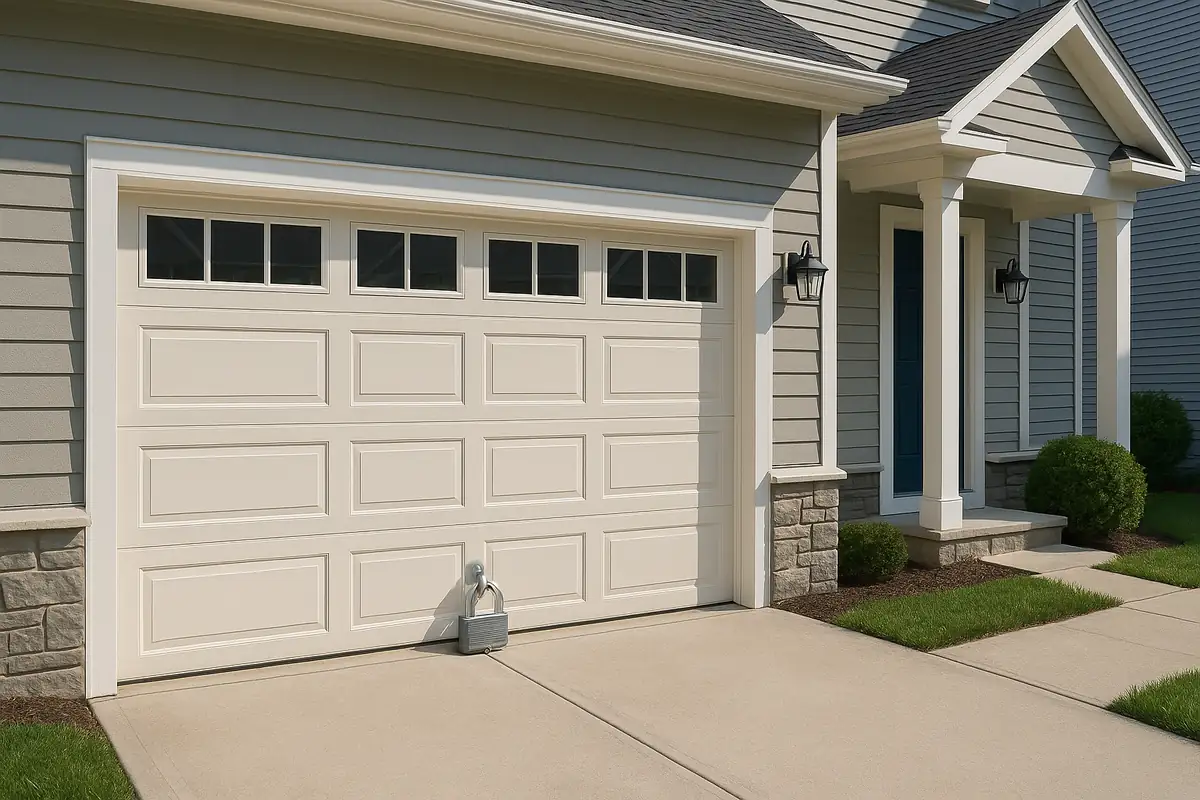
Energy Efficiency and Your Garage Door - Franklin Garage Doors Services Pro

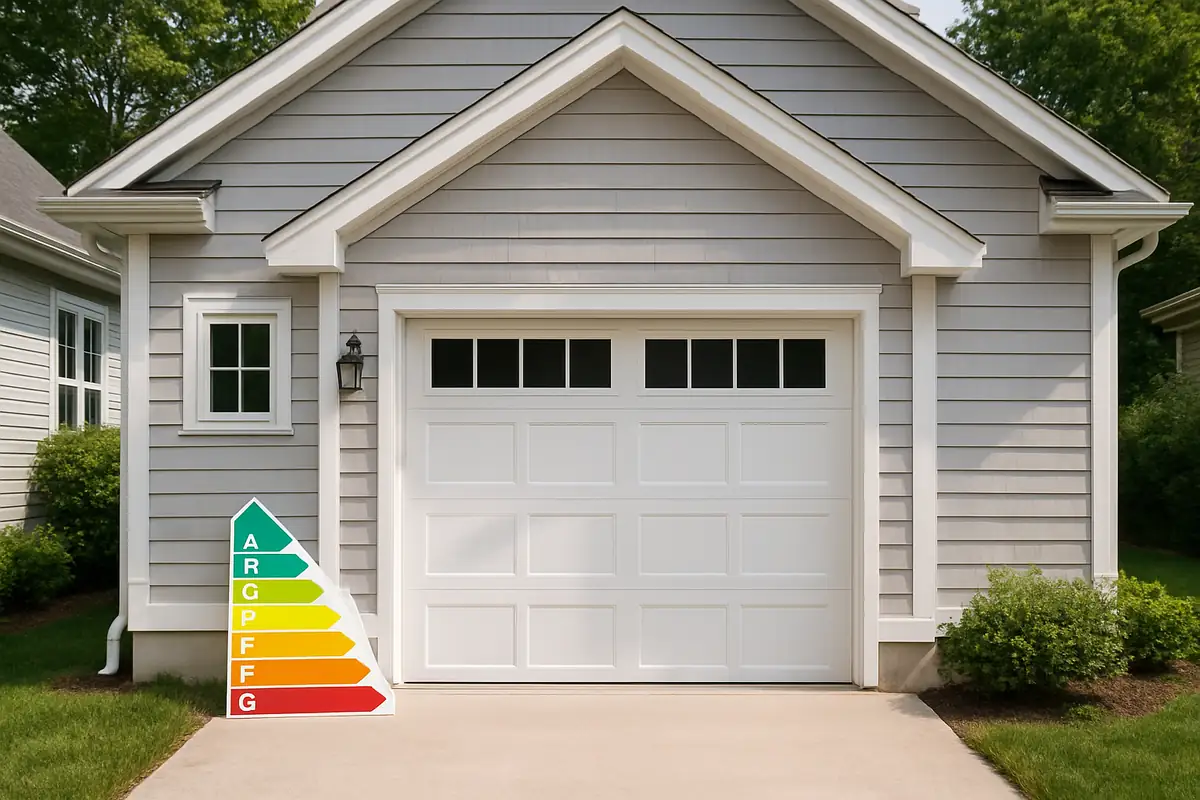
The Importance of Energy Efficiency in Your Garage
In today's world, where energy prices are consistently on the rise, homeowners are increasingly seeking ways to reduce expenses. One often-overlooked factor is the efficiency of your garage door. Did you know that a poorly insulated garage door can contribute significantly to energy loss in your home? In this blog post, we will explore how your garage door impacts energy efficiency and provide practical insights from Franklin Garage Doors Services Pro in Franklin, MA, on how to improve it.
Understanding Garage Door Insulation
Garage door insulation is one of the primary factors in determining energy efficiency. Insulated garage doors not only maintain temperature but also protect your home's energy consumption.
What is Garage Door Insulation?
Garage door insulation involves the materials used to reduce heat transfer. Insulated doors typically have a core of polystyrene or polyurethane, which is sandwiched between two layers of steel.
Benefits of Insulated Garage Doors
- Energy Savings: Insulation helps keep your garage and adjacent rooms warmer in winter and cooler in summer, reducing the need for additional heating or cooling.
- Noise Reduction: Insulated doors can help minimize sound transmission, offering a quieter living environment.
- Increased Comfort: A well-insulated garage keeps it more comfortable, especially if you use the space for activities or storage.
- Enhanced Durability: Insulated doors are often sturdier, providing better protection against dents and damage.
Identifying Energy Loss in Your Garage
To enhance your garage door's energy efficiency, it's crucial to identify areas where energy loss is happening. Here are some common culprits:
Common Problem Areas
- Seals and Weatherstripping: Worn or damaged seals can lead to drafts.
- Old Hardware: Rusty or broken springs and rollers can affect the door's operation and insulation efficiency.
- Door Material: Non-insulated steel doors can be less efficient compared to insulated models.
Conducting an Energy Audit
Consider performing a DIY energy audit to assess your garage door. Here’s a simple checklist to follow:
- Check the weatherstripping around the door for any gaps or damage.
- Inspect the door's surface for dents, cracks, or rust.
- Test the door’s functionality by ensuring it opens and closes smoothly.
- Evaluate any drafts by holding a lit candle near the edges of the door.
Upgrading Your Garage Door for Energy Efficiency
If your garage door is outdated or inefficient, it may be time for an upgrade. Here’s how to choose an energy-efficient garage door:
Key Features to Look For
- Insulation Value (R-Value): Look for doors with a higher R-value, indicating better insulating properties.
- Material: Consider materials like steel with foam insulation, or composite materials that offer better energy efficiency.
- Sealing: Ensure the door has a tight seal to minimize air leaks.
Tips for Maintaining Your Garage Door’s Efficiency
Regular maintenance is crucial to ensuring your garage door remains energy efficient. Here are some essential tips:
- Regular Inspections: Schedule semi-annual inspections to identify and address issues early.
- Lubricate Moving Parts: Keep hinges, rollers, and tracks well-lubricated to ensure smooth operation.
- Replace Weatherstripping: If you notice gaps or wear, replace the weatherstripping immediately.
- Consider Professional Assistance: Contact Franklin Garage Doors Services Pro for expert advice and services tailored to your specific needs.
Statistics on Garage Doors and Energy Efficiency
According to the U.S. Department of Energy, garages can account for 10% of a home’s total energy loss. This is significant, especially considering how often we use our garages for entering our homes. Investing in energy-efficient upgrades not only improves comfort but can lead to substantial savings over time.
Conclusion: Take Action for a Greener Future
Improving the energy efficiency of your garage door is an essential step towards reducing your home's energy consumption. By understanding insulation, identifying areas of energy loss, and implementing upgrades and maintenance, you can make a significant impact.
Whether you're considering a new energy-efficient garage door or need reliable repair services, Franklin Garage Doors Services Pro in Franklin, MA, is here to help. Don't let your garage door be a source of energy loss—reach out to us today for a consultation!
Explore More Resources
Related Articles
Service Areas
We proudly serve Franklin, Wrentham, Bellingham, Medway, Norfolk and more areas.
Our Services
Professional garage door repair, spring repair, opener installation and more. View all services →

Smart Garage Door Features You Need to Know | Franklin Garage Doors Services Pro
Weather-Proofing Your Garage Door: Essential Tips from Franklin Garage Doors Services Pro