How to Reduce Garage Door Noise: Expert Tips from Franklin Garage Doors Services Pro

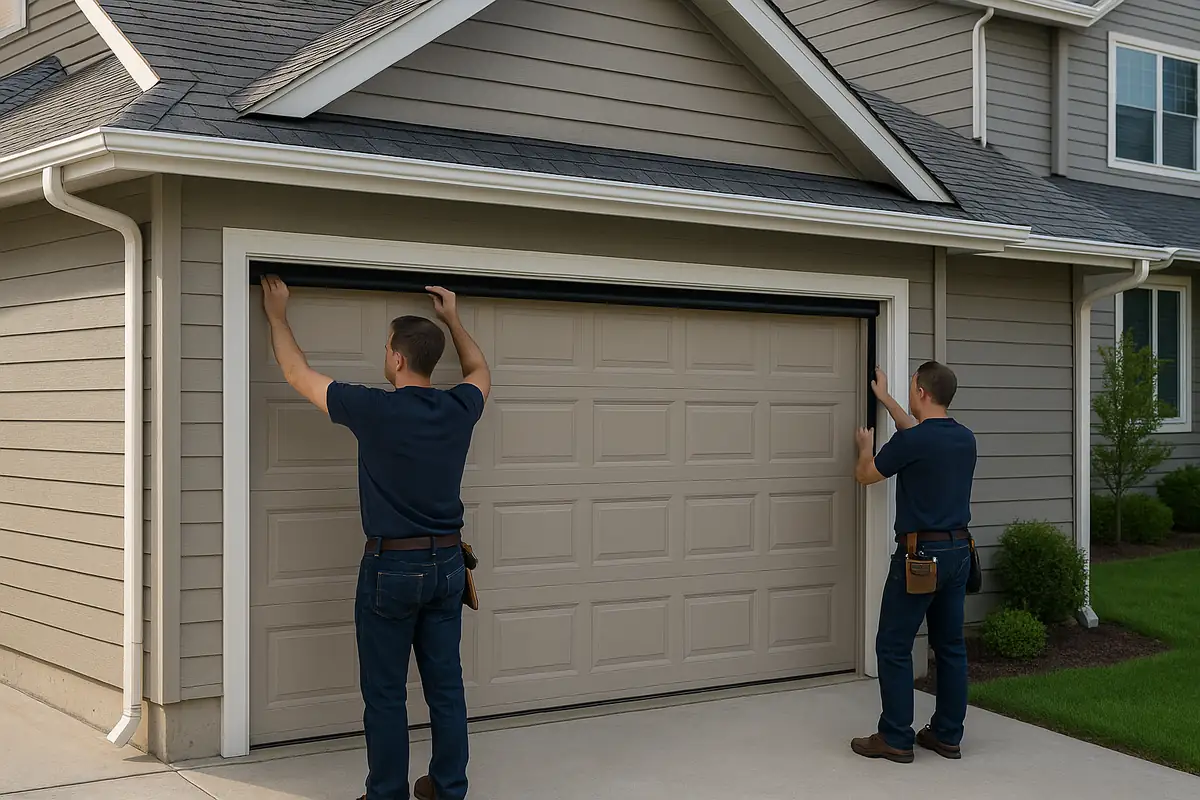
Silencing the Clunk: Understanding Garage Door Noise
Garage doors are essential for protecting your vehicles and belongings, but they can also be a significant source of noise. Whether it’s the creaking, grinding, or banging, these sounds can disrupt the peace of your home in Franklin, MA. Understanding the nature of garage door noise is the first step in reducing it.
From the frequency of usage to the type of door installed, various factors contribute to the noise level. Let’s delve deeper into how you can effectively manage and minimize these sounds.
Common Sources of Garage Door Noise
Identifying the Noisy Culprits
Before you can reduce noise, it’s crucial to identify what’s causing it. Here are some of the most common sources:
- Worn Rollers: Metal rollers can wear over time, leading to increased friction and noise.
- Loose Hardware: Nuts and bolts that are not tightened can create rattling sounds.
- Unlubricated Parts: Lack of lubrication can lead to squeaking or grinding.
- Spring Issues: Worn-out or misaligned springs can cause a loud bang when opening or closing.
- Improper Installation: A door that isn’t installed correctly is likely to make more noise.
Practical Tips to Minimize Garage Door Noise
With the right approach, you can significantly lessen the noise coming from your garage door. Here are some practical tips:
1. Regular Maintenance
Keeping up with regular maintenance is key to noise reduction. Here’s a checklist you can follow:
- Inspect and tighten all hardware at least twice a year.
- Lubricate all moving parts, including tracks, springs, and rollers, at least once a year.
- Check for signs of wear and replace any faulty components immediately.
2. Upgrade to Quieter Components
If your garage door is still noisy after maintenance, consider upgrading to quieter parts:
- Polymer Rollers: These are much quieter than metal and reduce noise significantly.
- Soundproofing Kits: Available in most hardware stores, these kits can dampen sound.
- Rubber Seals: Adding rubber seals to your door helps muffle noise while also providing insulation.
3. Adjust the Opener Settings
Sometimes, the garage door opener can be the source of the noise. Adjust the settings as follows:
- Ensure the opener is properly aligned with the door.
- Set the travel and force settings according to your door's weight and material.
4. Insulate Your Garage
Insulating your garage can significantly reduce overall noise levels. Consider the following:
- Insulation Panels: Installing insulation panels on the walls and ceiling can help absorb sound.
- Weather Stripping: This can also be applied around the edges of the door to minimize noise leakage.
5. Consult a Professional
If you’ve tried these methods and still face issues, it’s time to consult a professional. Franklin Garage Doors Services Pro can assess your garage door, provide recommendations, and carry out necessary repairs or upgrades.
Statistics on Garage Door Noise
Did you know that garage doors can produce sound levels of 70-90 decibels? This is comparable to a lawn mower or a passing subway train! According to a study by the Door & Access Systems Manufacturers Association, many homeowners find the noise from their garage doors to be a significant disturbance.
Conclusion: Enjoy a Quieter Garage Today!
Garage door noise doesn’t have to be a constant annoyance. With regular maintenance, the right upgrades, and some DIY adjustments, you can create a quieter environment in your home. If you need assistance, don’t hesitate to reach out to Franklin Garage Doors Services Pro. We are here to help you achieve peace and quiet in Franklin, MA. Contact us today for expert garage door solutions!
Explore More Resources
Related Articles
Service Areas
We proudly serve Franklin, Wrentham, Bellingham, Medway, Norfolk and more areas.
Our Services
Professional garage door repair, spring repair, opener installation and more. View all services →
Weather-Proofing Your Garage Door: Essential Tips from Franklin Garage Doors Services Pro
How to Program Your Garage Door Remote: A Guide by Franklin Garage Doors Services Pro